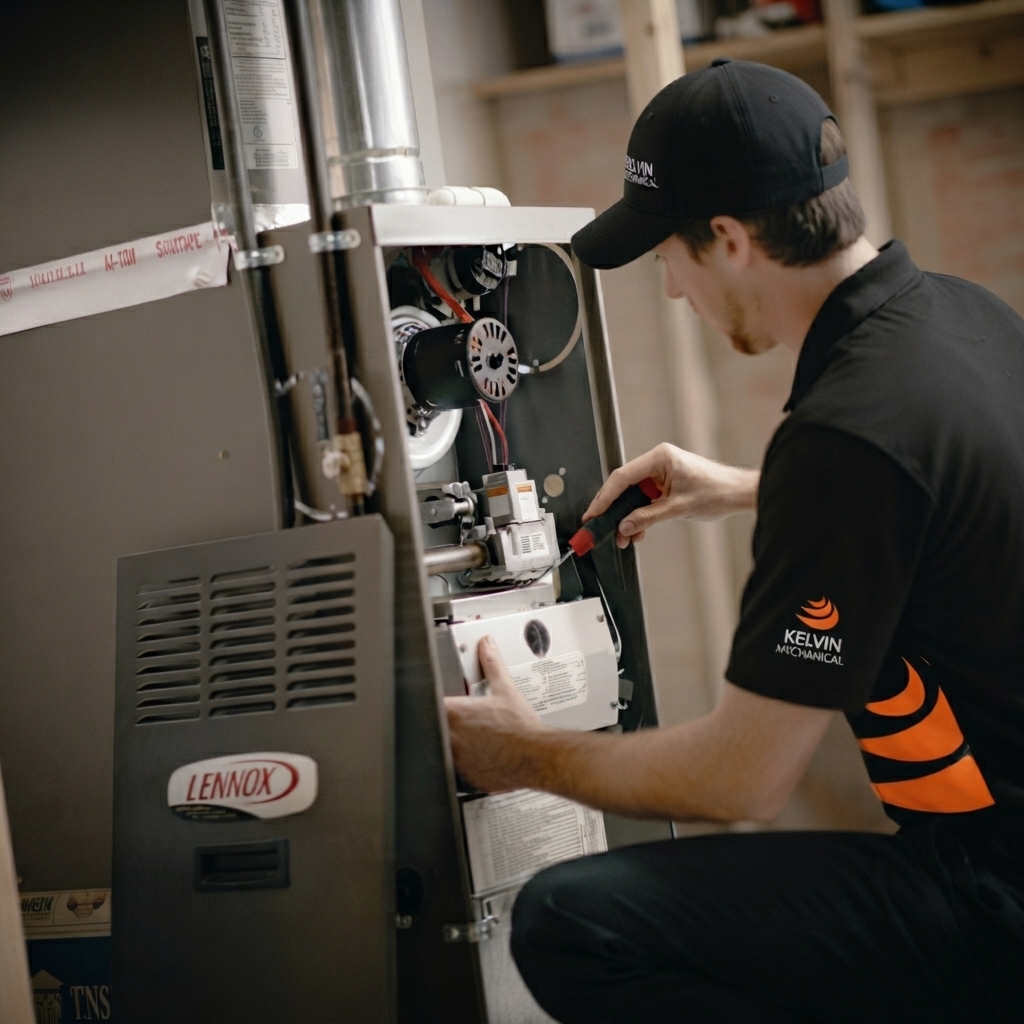
Are you an Ontario homeowner looking for dependable warmth through long, cold winters? Choosing the right furnace ranks among the most important decisions you'll make for your home's comfort, safety, and energy costs.
A furnace isn't just another appliance — it's a long-term investment in your family's comfort. The right system keeps every room warm, runs efficiently, and works safely with your home's ductwork and fuel supply.
This guide walks you through furnace types, efficiency ratings, sizing, installation, maintenance, and cost — everything you need to make a confident, informed choice.
Types of Home Furnaces
Furnaces are grouped mainly by fuel type. The best fit for your home comes down to what's available in your area, your budget, and how much efficiency matters to you.
1. Natural Gas Furnaces
The most popular choice in Ontario. Natural gas furnaces are cost-effective, widely accessible, and easy to integrate with existing ductwork. High-efficiency models with variable-speed blowers can deliver more consistent warmth.
2. Propane Furnaces
A solid choice for rural homes without natural gas lines. Propane furnaces operate similarly to gas models but require an on-site tank.
3. Electric Furnaces
These convert electricity directly to heat. They often have lower upfront costs and no combustion byproducts, but running costs can be higher depending on local electricity rates. They can be a good fit for smaller homes or supplemental heat.
4. Oil Furnaces
Less common today, but still found in older Ontario homes. They require an on-site storage tank and regular deliveries. Many homeowners switch from oil to gas or high-efficiency alternatives when replacing the system.
Single-Stage, Two-Stage & Modulating Furnaces
Fuel type isn't the only variable. Furnaces also differ in how they deliver heat. Understanding these differences helps you weigh upfront cost against long-term comfort and efficiency.
Single-Stage Furnaces
Run at full capacity when heat is needed. They are budget-friendly upfront but may have temperature swings and higher energy use than multi-stage models.
Two-Stage Furnaces
Operate at a lower setting most of the time, ramping up only when demand rises. This can offer better comfort, quieter operation, and energy savings compared with single-stage units.
Modulating Furnaces
Fine-tune heat output in small increments for more precise temperature control and top-tier efficiency. They are often chosen when AFUE performance is a priority.
Choosing the Right Furnace for Your Home
Picking a furnace is about more than brand names. You need the right fuel type, efficiency level, and heating capacity, all matched to your home's specific needs.
Understanding AFUE Ratings
AFUE stands for Annual Fuel Utilization Efficiency and measures the percentage of fuel turned into usable heat. An 80% AFUE furnace converts 80% of fuel to heat — the rest is lost. High-efficiency models at 95% AFUE or higher waste far less energy, which can meaningfully lower your monthly heating bills.
Keep an eye out for the ENERGY STAR label when shopping. Today's high-efficiency gas furnaces can hit AFUE ratings of 95% or above. Actual efficiency still depends on the model, installation quality, and home conditions.
Sizing Your Furnace
Correct sizing prevents short-cycling from a furnace that is too big, or nonstop running from one that is too small. Factors that affect sizing include:
- Total square footage and ceiling height
- Insulation levels and window quality
- Ductwork layout and airflow
- Climate zone and design temperature
- Number of occupants and heat-generating appliances
A proper heat load calculation, not a rough estimate, is the only real way to nail down the correct BTU output for your home.
Not sure what size furnace fits your home? Our team can assess your layout, insulation, and heating needs for you.
Schedule a Free Home AssessmentSigns It May Be Time to Replace Your Furnace
If you're weighing repair against replacement, keep an eye out for these signs that a new furnace might be the smarter investment:
- Furnace is more than 15 years old
- Rising energy bills without any change in usage
- Uneven heating or recurring hot and cold spots
- Unusual noises, frequent repairs, or warning signs
- Yellow burner flame, soot buildup, or carbon monoxide concerns

Professional Furnace Installation
Installing a furnace isn't a DIY job. Gas furnaces involve combustion, venting, and gas line connections that have to meet strict safety codes. Professional installation matters because it:
- Supports correct sizing along with safe fuel or electrical connections
- Helps ensure code-compliant venting, ductwork, and combustion setup
The Installation Process
Home Assessment: A professional walkthrough helps recommend the right furnace size based on your home layout and heating load. Correct sizing requires a load calculation — not a rough estimate.
Old Furnace Removal: The existing unit is safely disconnected, removed, and disposed of before the new system is installed.
Professional Installation: Licensed and qualified professionals complete installation according to manufacturer guidelines for venting, gas lines, electrical connections, and duct sealing where required.
Ready for a new furnace? Kelvin Mechanical offers professional installation with honest pricing and lasting support. Installation timelines vary by equipment availability, site conditions, permits, and project scope.
Get a Furnace Installation QuotePost-Installation Checks
System Testing: The furnace is tested for ignition, airflow, thermostat response, and safe operation before the job is complete.
Homeowner Walkthrough: You get a rundown on thermostat use, filter changes, maintenance, and warranty. Warranties vary by program, eligibility, equipment, manufacturer, registration, and selected labour warranty package.
Maximizing Furnace Efficiency
Buying an efficient furnace is only the first step. These habits help you get the most from your investment:
1. Change Filters Regularly
Replace or clean filters every one to three months during heating season. Clogged filters restrict airflow and can reduce efficiency.
2. Schedule Annual Maintenance
Professional tune-ups before winter help keep burners clean and safety controls working, while catching small issues before they become bigger repairs.
3. Use a Programmable Thermostat
Dialing back the temperature while you're away or asleep can save energy without sacrificing comfort. A smart thermostat can even handle the scheduling for you.
The Cost of Buying a New Furnace
Pricing varies based on equipment size, efficiency, venting, ductwork condition, installation complexity, warranty options, and required upgrades. A customized quote is provided after site review.
A few things that affect your total cost:
- Furnace type and efficiency rating (AFUE)
- Heating capacity (BTU output) and brand
- Ductwork or venting modifications
- Fuel conversion or electrical upgrades
High-efficiency furnaces can cost more upfront, but energy savings over 15–20 years often help offset the difference — especially once available Ontario rebates are factored in. Rebates vary by program, eligibility, equipment, and current availability.

Keep Your Home Warm with Reliable Furnace Services
Choosing a reputable HVAC company matters just as much as choosing the right furnace. An experienced professional makes sure you get correct sizing, safe installation, and ongoing maintenance support.
Kelvin Mechanical guides Ontario homeowners through every step — from a free in-home assessment and system selection to professional installation and annual maintenance plans.
As a proud Canadian, family-owned company, we're focused on keeping your home comfortable, efficient, and safe for years to come.
Reach out to learn more about our furnace options and customizable heating solutions.
Contact Kelvin Mechanical